





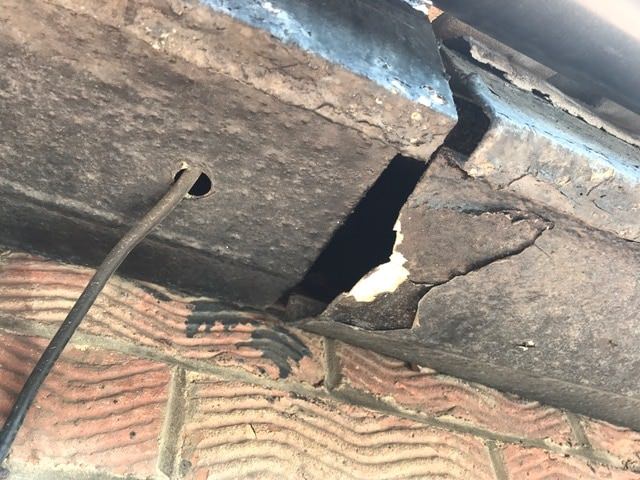
Storms across the North East can arrive suddenly and cause significant damage to roofs of all ages. High winds can lift tiles, heavy rain can force water into small gaps and snowfall can place extra weight on already weakened structures. Homeowners in Newcastle, Durham, Middlesbrough, Sunderland, Hartlepool, Darlington and Gateshead often experience unpredictable weather throughout the year, so knowing what to do after a storm is essential.
A damaged roof does not always show obvious signs immediately. Small issues can quickly become major problems if left unchecked. Below, you will find a complete guide to the steps you should take after a storm, what signs to look for and when to call for professional help. Acting promptly will protect your property, reduce repair costs and prevent further damage inside the home.
Start with a safe visual inspection from the ground
Once the storm has passed and it is safe to step outside, begin with a simple visual check of your roof from ground level. You do not need to climb ladders or access the roof directly. Walk around your property and look for any tiles that appear out of place, cracked or missing.
In areas like Sunderland and Gateshead, where strong coastal winds can drive debris across rooftops, tiles are often displaced even when they have not fully fallen to the ground.
Check the ridge line as well. This is the highest point of the roof and a common area for damage. If the ridge tiles appear misaligned or you notice a curve that was not there before, there may be underlying structural movement that needs professional assessment.

Look for fallen materials around your property
After severe storms in Middlesbrough, Hartlepool and Newcastle, homeowners often find pieces of tile, flashing or guttering on the ground. If you see fragments of tile or sections of felt around the garden, driveway or pavement, this is a clear sign that the roof has suffered impact or wind damage.
You should also check whether metal elements such as flashing or gutter brackets have become loose or detached. Even small pieces of metal can be dislodged by strong winds. These components protect vulnerable areas, so their loss can allow water to enter the roof space quickly.
Check gutters and downpipes for blockages
During heavy rainfall, gutters often fill with leaves, moss, gravel from roof tiles or other debris. A blocked gutter can cause water to overflow and run down the walls, which leads to damp patches and internal leaks.
After the storm, inspect your gutters from the ground. If water is still overflowing or the gutter appears bent or sagging, it may have been damaged. In Newcastle, Durham and Darlington, older properties often have cast iron or uPVC gutters that can become misaligned in strong winds, so this is an important area to monitor.
Downpipes should also be checked. If water is pooling around the base of the property, the pipe may be blocked or loose. Addressing these problems quickly can prevent further water damage.
Inspect your loft or roof space for signs of water
Some storm-related roof issues can only be spotted from inside the home. Head into the loft with a torch and check for damp patches on the rafters, insulation or plasterboard.
If you notice dripping water, wet insulation, or a musty smell, it is very likely that water has entered through the roof.
Homes in Hartlepool, Sunderland and Middlesbrough are particularly exposed to driving rain, which can force water through very small gaps. Even if the roof looks fine from outside, water may have found a hidden entry point.
Look carefully around chimney stacks, valleys and roof joints. These are the areas most likely to let in water after high winds or heavy rain.
If daylight is visible through the roof covering, this can indicate missing tiles or torn underlay. This type of damage should be repaired as soon as possible to avoid significant structural deterioration.

Do not climb on the roof yourself
One of the most important rules after a storm is to avoid climbing onto the roof. Damaged tiles can shift unexpectedly, underlay can be weakened and surfaces may still be slippery.
In areas like Gateshead and Darlington where roofs are often steeper or exposed, attempting to climb up just after a storm increases the risk of an accident.
Professional roofers use safety harnesses, access equipment and trained techniques to move safely across damaged surfaces. Always leave roof access to experienced professionals who can carry out an inspection without risking injury.
Check for internal signs of leaks or damp
Storm damage does not always appear immediately. Over the next few days, keep an eye on upstairs ceilings and walls for any signs of moisture.
Look out for the following warning signs:
- Brown or yellow water marks
- Peeling wallpaper
- Bubbling paint
- Damp smells
- Soft or sagging plasterboard
Homes in Durham, Newcastle and Sunderland often experience wind driven rain that finds its way into the smallest openings. Even a minor leak can create significant damage over time if it is not addressed quickly.
If you see signs of damp developing inside the home, take photos before any repair work begins. This can be helpful if you need to make an insurance claim for storm related damage.
Take photos of any visible damage for insurance
Most home insurance policies cover storm damage, but insurers usually require evidence. As soon as you notice damage, take clear photos from ground level.
Include images of:
- Fallen tiles or debris
- Damage to gutters or downpipes
- Visible gaps in the roof
- Internal damp patches
- Any structural movement or sagging
If your home in Darlington, Hartlepool or Middlesbrough has been hit by a severe storm, documentation will help the claims process run much more smoothly. Do not attempt to move or repair anything before you have taken all the photos you need.
Arrange a professional inspection as soon as possible
Even if your roof looks fine from the ground, storms can create hidden problems that only a trained roofer will spot.
A professional inspection is recommended if:
- Your home was exposed to high winds
- You noticed debris around the property
- Neighbours have visible roof damage
- You spotted internal damp patches
- Your roof is older or already had minor issues
In Newcastle, Gateshead and Durham, storms can lift tiles without actually removing them. This creates tiny gaps where water can enter later. A roofer can check each tile, ridge section, flashing point and joint to make sure everything is secure.
They will also look at the structural elements of the roof to identify early signs of movement. Early detection of these issues can save thousands of pounds on future repairs.
Stay alert for delayed problems
Storm damage does not always show up immediately. Some issues develop slowly over days or weeks, especially in properties with older roofs or worn underlay.
You may notice delayed problems such as:
- Gradual damp patches on ceilings
- New draughts in the loft
- Increased noise from wind passing through gaps
- Loose tiles rattling during lighter winds
- Moss or debris collecting in new areas
Homes in Sunderland, Middlesbrough and Darlington often see delayed damage because the coastal weather can force water deep into the roof structure. Allowing time for these signs to appear is an important part of checking your roof properly after a storm.

Understand when repair is enough and when replacement is the smarter choice
A storm does not always mean your roof needs to be replaced. Many issues such as a few missing tiles, damaged flashing or a blocked gutter can be repaired quickly and affordably.
However, a full roof replacement may be the more reliable solution if:
- Large sections of tiles have been lifted
- The underlay has torn in several areas
- Structural timbers are damp or weakened
- The roof is already near the end of its lifespan
- Sagging or distortion has appeared
- Repeated repairs have already been carried out
In areas such as Newcastle, Gateshead and Hartlepool where roofs face frequent high winds, a replacement can sometimes offer far better long term protection and value for money.
Final thoughts
Storms can be unpredictable and damaging, especially in the North East where weather patterns often change quickly. Whether you live in Newcastle, Durham, Sunderland, Darlington, Gateshead, Middlesbrough or Hartlepool, it is important to check your roof carefully after every storm.
A clear visual inspection, a check inside the loft and a professional assessment when necessary will keep your home safe and secure. Acting quickly reduces the risk of long term damage and helps you avoid costly repairs later on.


