




The verge is one of the most vulnerable parts of a roof. It sits at the edge where roof tiles meet the gable wall and takes the full force of wind, rain, and temperature changes. Traditionally, roof verges in the UK were finished using mortar to bed and secure the edge tiles. While this method was once standard practice, it has proven to be one of the weakest points on many roofs.
In recent years, dry verge systems have become the preferred alternative. They offer improved durability, better weather resistance, and a cleaner finish without the ongoing maintenance issues associated with mortar.
In this article, we explain what a dry verge system is, how it works, and why it is increasingly replacing traditional mortar verges on UK homes.
What Is a Roof Verge?
The roof verge is the edge of the roof that runs up the side of a property, usually along the gable end. Its role is to protect the roof structure from wind uplift and water ingress while providing a neat finish to the edge of the tiles.
A properly installed verge helps to:
- Secure roof tiles against wind
- Prevent rain from penetrating beneath the tiles
- Protect roof timbers and underlay
- Improve the overall appearance of the roof
When verge protection fails, tiles can loosen, water can enter the roof space, and further damage can follow.
Traditional Mortar Verges Explained
Mortar verges involve bedding the edge tiles in sand and cement. This method relies on the mortar to hold tiles in place and seal the roof edge.
While mortar verges were widely used for decades, they have several weaknesses:
- Mortar cracks over time
- Temperature changes cause expansion and contraction
- Wind and rain erode exposed joints
- Frost accelerates deterioration
As mortar ages, it becomes brittle and begins to crumble. Once this happens, verge tiles can loosen or fall, creating a safety hazard and allowing water to enter the roof.
What Is a Dry Verge System?
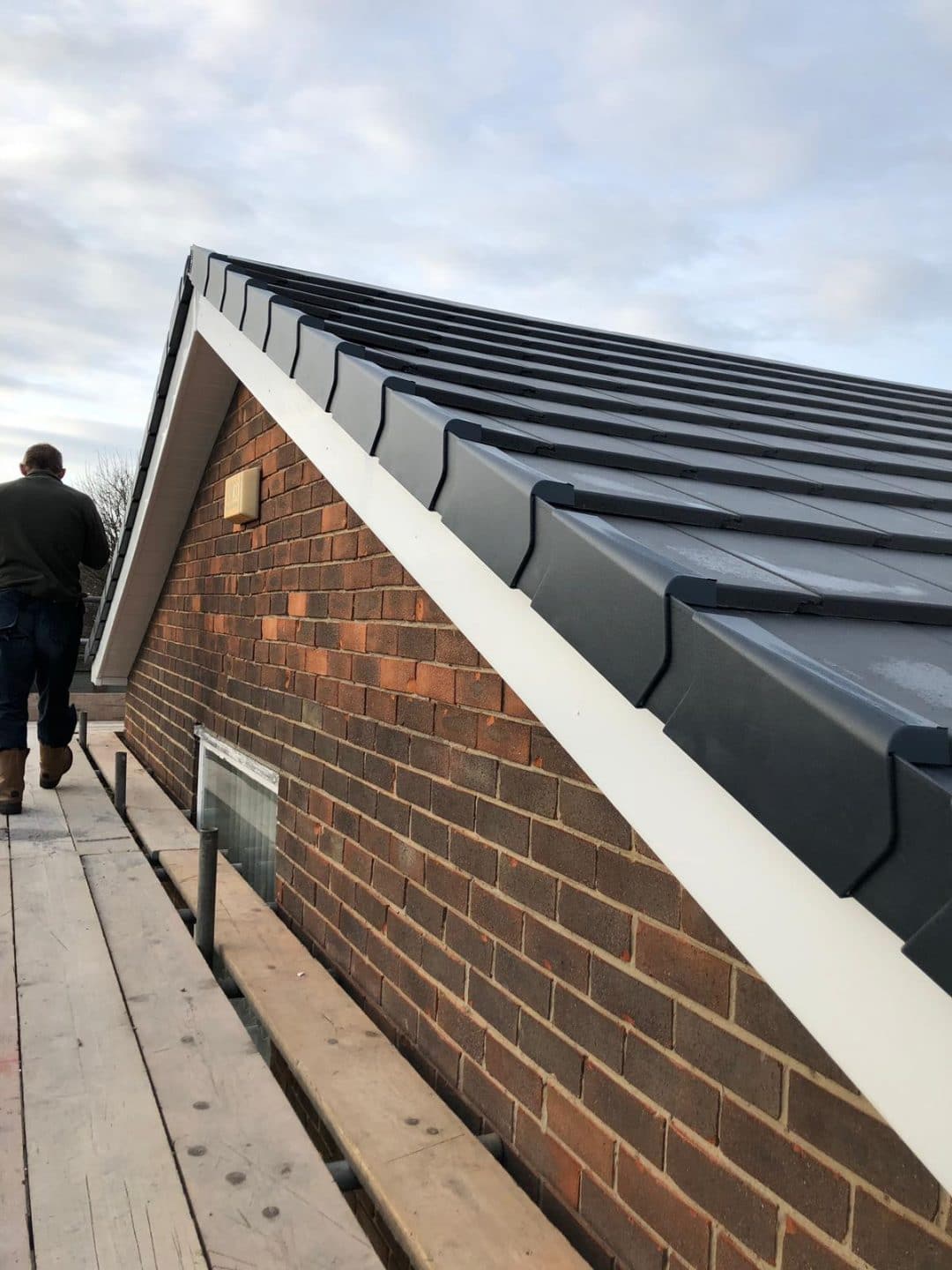
A dry verge system is a mechanical verge solution that secures roof tiles without the use of mortar. It consists of interlocking caps that are fixed directly to the roof structure and tiles.
Dry verge systems are designed to:
- Secure verge tiles mechanically
- Seal the roof edge against weather
- Allow controlled ventilation
- Create a clean, uniform finish
They are typically made from durable, UV-resistant materials designed to withstand harsh weather conditions.
How a Dry Verge System Works
Dry verge units are installed along the roof edge and mechanically fixed through the verge tiles into the battens or rafters. The units interlock, creating a continuous, secure edge along the roof.
Unlike mortar, dry verge systems do not rely on bonding materials that degrade over time. The mechanical fixing ensures long-term stability, even in high winds.
Many systems also incorporate ventilation channels, which help reduce condensation within the roof space.
Why Dry Verge Systems Are Replacing Mortar
Improved Durability
Dry verge systems are designed to last the lifetime of the roof. They are not affected by frost, moisture, or temperature fluctuations in the same way as mortar.
Once installed correctly, they require little to no maintenance.
Better Resistance to Wind Damage
Wind uplift is one of the main causes of verge failure. Mortar relies on adhesion, which weakens as it ages. Dry verge systems physically clamp the tiles in place, significantly reducing the risk of tiles being dislodged during storms.
This is particularly important in exposed areas and during increasingly severe weather conditions.
Reduced Maintenance Requirements
Traditional mortar verges often need repointing or patch repairs every few years. These repairs rarely last and can lead to repeated costs.
Dry verge systems eliminate the need for ongoing mortar maintenance, saving homeowners time and money over the long term.
Cleaner and More Consistent Appearance
Mortar verges can crack, stain, and grow moss over time, giving roofs an untidy appearance. Dry verge systems provide a clean, uniform finish that remains consistent for years.
They are available in a range of colours to match existing roof tiles, helping them blend seamlessly with the property.
Compliance With Modern Building Standards
Dry verge systems are recognised by current building regulations and are widely recommended for new builds and re-roofing projects.
In many cases, they are now considered best practice due to their improved performance and longevity.
Are Dry Verge Systems Suitable for Older Properties?
Yes, dry verge systems can be installed on both modern and older properties. They are commonly fitted as part of roof repairs or upgrades, especially where mortar verges are already failing.
On older homes, dry verge systems can improve weather resistance without altering the character of the property. Careful colour selection and professional installation ensure a sympathetic finish.
Can Dry Verge Systems Be Installed on Existing Roofs?
Dry verge systems can often be retrofitted to existing roofs without the need for a full re-roof. This makes them a cost-effective upgrade when verge mortar has deteriorated.
Installation typically involves:
- Removing loose or failing mortar
- Checking the condition of verge tiles
- Installing the dry verge system securely
- Ensuring proper alignment and fixing
A roof inspection is essential to confirm suitability before installation.
Do Dry Verge Systems Improve Roof Ventilation?
Many dry verge systems are designed with built-in ventilation channels. These allow air to circulate at the roof edge, helping to reduce condensation within the roof space.
Improved ventilation can help protect roof timbers and insulation, particularly in older properties where airflow may be limited.
Common Problems Caused by Failing Mortar Verges
Failing mortar verges can lead to a range of issues, including:
- Loose or missing verge tiles
- Water ingress into the roof space
- Damp patches on internal walls
- Increased risk of storm damage
- Falling debris posing a safety risk
Replacing mortar verges with a dry verge system addresses these problems at the source rather than relying on temporary repairs.
How Long Does a Dry Verge System Last?
When installed correctly, a dry verge system should last as long as the roof itself. The materials used are resistant to UV exposure, moisture, and temperature changes.
This long lifespan makes dry verge systems a reliable and cost-effective solution compared to traditional mortar.
Is a Dry Verge System Worth the Cost?
While the initial cost of a dry verge system may be higher than basic mortar repairs, it offers far better value over time.
Homeowners benefit from:
- Reduced maintenance costs
- Improved roof security
- Better weather protection
- Enhanced appearance
For many properties, especially those exposed to harsh weather, dry verge systems are a worthwhile investment.
Professional Installation Is Essential
Dry verge systems must be installed correctly to perform as intended. Poor installation can lead to gaps, misalignment, and reduced effectiveness.
Using experienced roofing professionals ensures the system is fitted securely and integrates properly with the rest of the roof.
A Long-Term Solution for Roof Edges
Dry verge systems represent a significant improvement over traditional mortar verges. They provide a durable, low-maintenance, and visually appealing solution that protects the roof edge for decades.
If your mortar verge is cracking, crumbling, or failing, upgrading to a dry verge system can help safeguard your roof and reduce future repair costs.


