





Energy bills have become one of the biggest ongoing costs for homeowners, and they rarely move in your favour. Prices rise, tariffs change, and you’re left paying more for something you have very little control over. That’s exactly why solar panels have moved from being a “nice to have” to something far more practical.
A solar panel system allows you to generate your own electricity instead of relying entirely on your supplier. That change alone shifts how you consume energy, how much you pay each month, and how exposed you are to rising costs. But to understand whether it’s worth it, you need to look at how solar panels actually work in real-world conditions.
How solar panels actually reduce your energy bills
Solar panels reduce your energy bills by producing electricity that your home uses first before drawing from the grid. During daylight hours, your system generates power which feeds directly into your home. That means your appliances, lighting, and other electrical usage run on energy you’ve produced yourself rather than energy you’re paying for.
Over time, this reduces the total amount of electricity you need to buy. The more energy your system produces, and the more of that energy you use during the day, the more noticeable the savings become. If your system produces more electricity than you need, that excess energy doesn’t go to waste either. It can be exported back to the grid, which can generate additional income depending on your tariff.
What makes this effective is not just the immediate saving, but the long-term shift. You are no longer fully dependent on your supplier, which gives you protection against rising energy prices.

How much energy can a solar panel generate in the UK?
The amount of energy a solar panel system generates depends on its size, efficiency, and where it is installed. In the UK, most residential systems generate between 2,500 and 4,500 kWh per year. This is enough to cover a significant portion of a typical household’s electricity usage.
Individual panels usually produce between 250W and 400W, but what matters more is the combined output of the full system. A well-designed setup takes into account your roof position, the angle of installation, and how much sunlight the panels will receive throughout the day.
Even in the UK’s climate, solar panels remain effective because they rely on daylight rather than direct sunlight. While output is lower on cloudy days, the system still generates electricity consistently across the year.
How much is a solar panel system and is it worth the cost?
The cost of a solar panel system in the UK varies depending on the size of your home and how much energy you want to generate. Most systems fall somewhere between £4,000 and £9,000, with larger or higher-capacity setups costing more.
At first glance, that upfront cost can feel like a barrier. However, solar panels are not a short-term purchase. They are a long-term investment designed to reduce your ongoing expenses. Most systems pay for themselves within six to ten years through reduced energy bills and, in some cases, export payments.
After that point, the electricity your system generates effectively becomes free. When you consider that panels can last 25 years or more, the long-term savings become much more significant than the initial cost.
How long does a solar panel last?
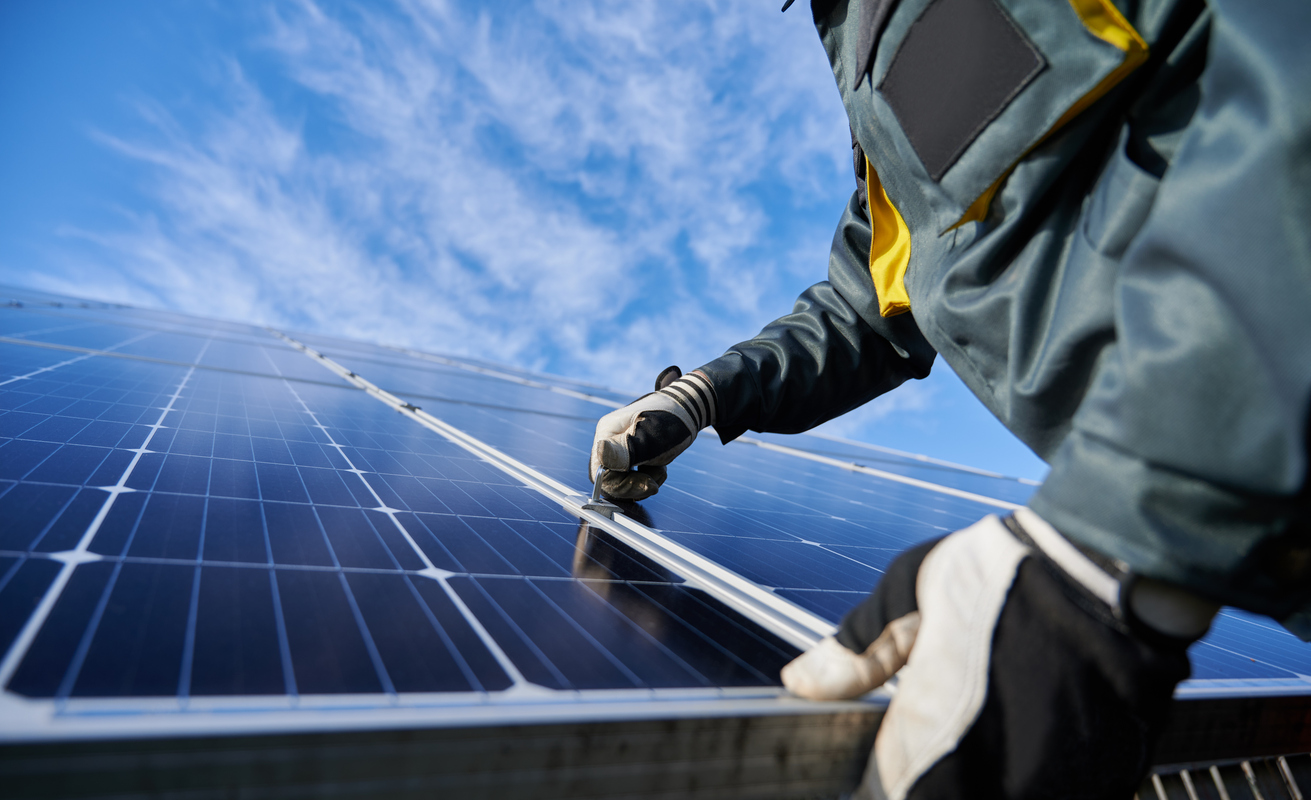
One of the reasons solar panels are such a strong investment is their lifespan. Most systems last at least 25 years, and many continue to perform well beyond that. Manufacturers typically offer warranties of 20 to 25 years, which reflects how durable modern panels have become.
Even as they age, solar panels do not suddenly stop working. Instead, their efficiency gradually reduces over time. After 20 years, most panels still operate at around 80 to 90 percent of their original output. This means you continue to generate energy and reduce your bills for decades.
Can solar panels power your entire home?
Solar panels can cover a large portion of your energy usage, but in most cases, they do not completely replace the grid. During the day, especially in summer, your system may produce more electricity than you need. At night or during winter months, you will still rely on your energy supplier.
This is where battery storage can make a difference. By storing unused energy generated during the day, you can use it later when your panels are not producing power. This increases your independence and reduces how much electricity you need to buy.
Even without a battery, solar panels still provide meaningful savings. They reduce your reliance on the grid rather than eliminating it entirely.
Why more homeowners are choosing solar panel installations
The rise in solar panel installations is not just about environmental awareness. It is largely driven by cost and control. Homeowners want to reduce their exposure to rising energy prices and gain more stability in their monthly expenses.
Solar panels provide that stability. They allow you to generate your own energy, reduce your bills, and improve your home’s overall efficiency. In many cases, they also increase property value, as buyers are becoming more aware of long-term energy costs.
The decision to install solar panels is no longer just about sustainability. It is about making your home more financially efficient.
Are solar panels worth it?
Solar panels are not an instant fix, but they are one of the most effective long-term ways to reduce energy bills. They give you more control over your energy usage, protect you from rising costs, and continue delivering savings for decades.
If you are planning to stay in your home long term, the financial benefits become increasingly clear. While the upfront cost requires consideration, the long-term return often makes solar panels a worthwhile investment.

Installing Solar Panels with a New Roof
When considering installing solar panels, it’s essential to take into account the condition of your roof. A new roof not only ensures that your home is well-insulated and energy-efficient but also provides a stable base for your solar panels. If you’re planning to replace or upgrade your roof, now might be the perfect time to install solar panels as well. A properly installed roof ensures that your panels will remain secure and work at maximum efficiency for the next 25 years or more.If you’re ready to explore the benefits of solar panel installation along with a new roof, contact us at Lord Roofing for a full consultation and installation service. We can guide you through the process, ensuring both your roof and solar panels are optimally installed to help you save on energy bills in the long run.


