





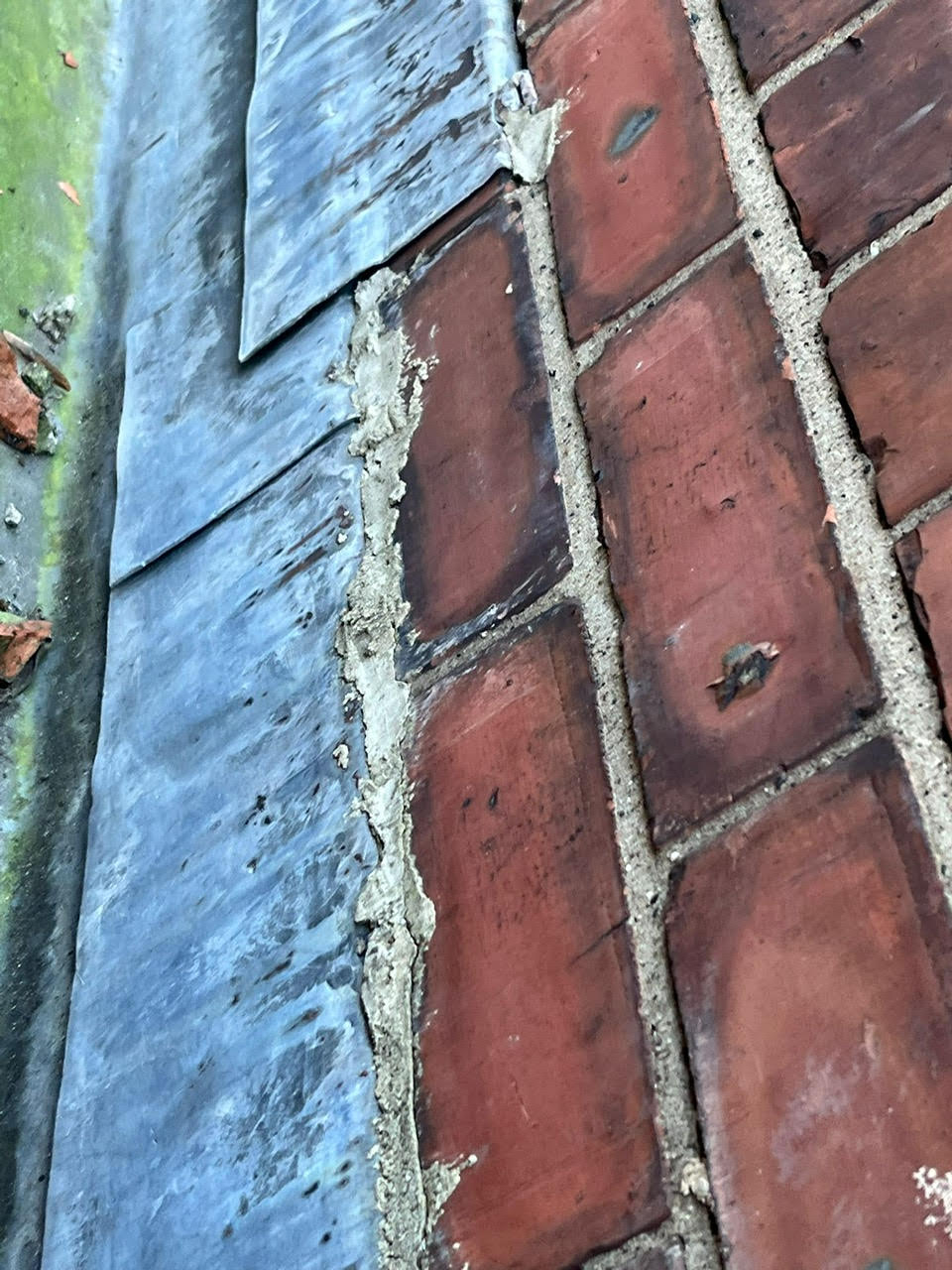
If you have noticed cracks, loose mortar, or small pieces falling from your roof, it may be a sign that repointing is required.
Roof repointing is a common maintenance task that helps keep your roof secure and weather-resistant. Over time, the mortar that holds ridge tiles and other roof elements in place wears down from exposure to wind, rain, and temperature changes.
Understanding what repointing involves and when it is needed can help you address problems early and avoid more serious damage.

What Is Roof Repointing?
Roof repointing is the process of repairing or replacing the mortar that holds certain parts of your roof in place.
This typically applies to ridge tiles, verges, and other areas where mortar has been used to secure components. As the mortar deteriorates, it can lose strength, leading to instability and potential gaps in the roof structure.
Repointing restores these areas by removing damaged mortar and applying new material, ensuring that everything is properly secured and sealed.
Why Does Roof Mortar Deteriorate Over Time?
Mortar is constantly exposed to the elements, which causes it to weaken over time.
In the UK, weather conditions play a major role. Rain, frost, and temperature changes all contribute to the gradual breakdown of mortar. As water enters small cracks and freezes, it expands, causing further damage.
Movement within the roof structure can also affect mortar. Roofs naturally expand and contract slightly, which can lead to cracking in rigid materials like cement.
Over time, this combination of weather exposure and structural movement leads to visible wear and reduced effectiveness.
What Are the Signs That Your Roof Needs Repointing?
Repointing is not always obvious at first, but there are clear signs that indicate it may be needed.
If left unaddressed, small issues can develop into larger problems, so it is important to act early.
Common signs include:
- Cracked or crumbling mortar along ridge tiles
- Loose or uneven ridge tiles
- Gaps appearing between tiles
- Small pieces of mortar are falling to the ground
- Visible wear along roof edges or joints
These signs suggest that the mortar is no longer providing proper support or protection.
What Happens If You Ignore Repointing?
Ignoring the need for repointing can lead to more serious roofing problems over time.
As mortar continues to deteriorate, ridge tiles and other components may become loose. This increases the risk of tiles shifting or falling, particularly during high winds.
Gaps in the mortar can also allow water to enter the roof structure. This can lead to damp issues, internal damage, and reduced insulation performance.
In more severe cases, neglected mortar can necessitate larger repairs or even a partial roof replacement. Addressing the issue early helps avoid these more costly outcomes.
How Is Roof Repointing Carried Out?
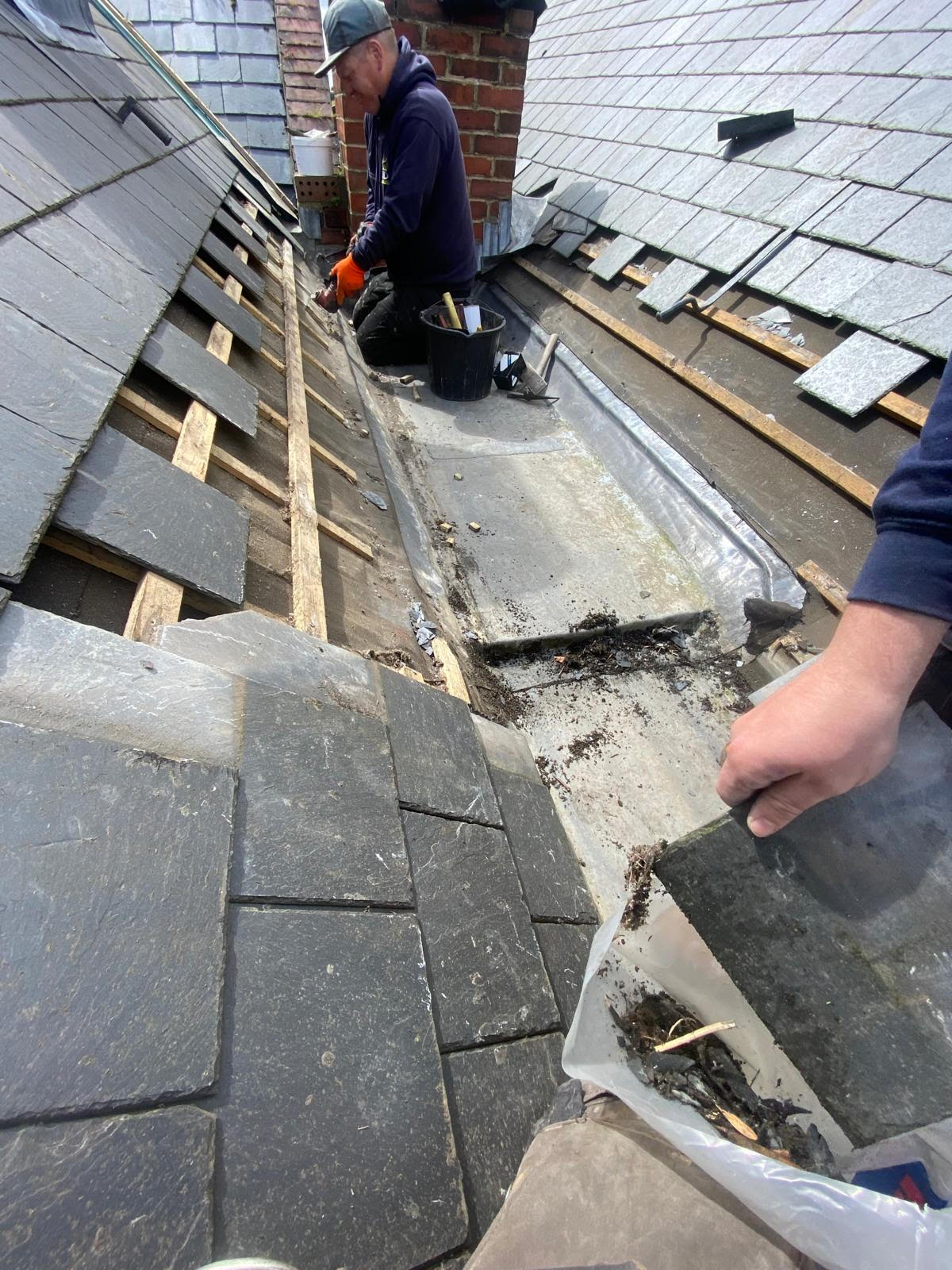
Repointing is a structured process that involves carefully restoring the affected areas of the roof.
The process typically includes:
- Removing damaged or loose mortar
- Cleaning the area to ensure proper bonding
- Applying fresh mortar to secure the tiles
- Smoothing and finishing for a consistent appearance
Bullets are appropriate here as they clearly break down the process.
Each step must be carried out carefully to ensure the new mortar provides long-term stability and protection.
Is Repointing Always the Best Solution?
Repointing is often the right solution when the underlying roof structure is still in good condition.
If the tiles are intact and the issue is limited to mortar deterioration, repointing can restore the roof effectively. However, in some cases, repeated repointing may not be the best long-term option.
If the roof has ongoing issues or the mortar continues to fail, it may be worth considering more modern alternatives, such as dry ridge or verge systems, which offer improved durability and reduced maintenance.
A professional assessment helps determine the most suitable approach.
Why Professional Repointing Matters
Repointing may seem straightforward, but it requires experience and attention to detail.
Incorrect application can lead to weak bonding, uneven finishes, and reduced lifespan of the repair. It also involves working at height, which requires proper safety measures.
A professional roofing company will:
- Identify the extent of the damage
- Use appropriate materials for the repair
- Ensure proper application and finishing
- Check for any additional underlying issues
At Lord Roofing Ltd, repointing work is carried out with a focus on long-term performance rather than short-term fixes. This ensures the repair not only looks right but also holds up over time.
How Often Should Roof Repointing Be Done?
There is no fixed schedule for repointing, as it depends on the condition of the mortar and the level of exposure to weather.
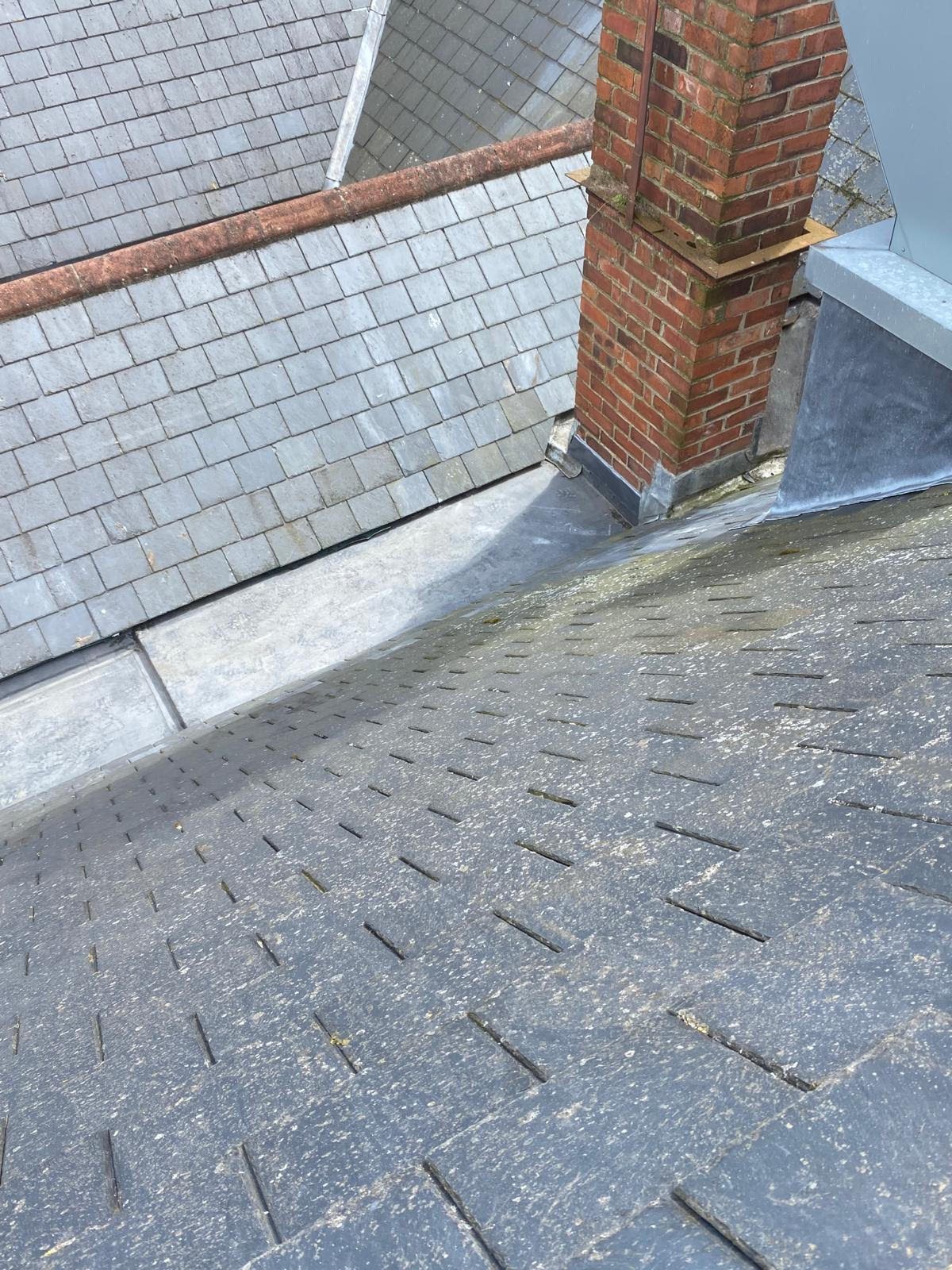
Some roofs may require attention after several years, while others can last much longer. Regular inspections are the best way to identify when repointing is needed.
Catching early signs of wear allows repairs to be carried out before more serious damage develops.
Protect Your Roof with Timely Repointing
Roof repointing plays an important role in maintaining the strength and weather resistance of your roof.
By addressing mortar issues early, you can prevent damage, extend the life of your roof, and avoid more costly repairs in the future.
Working with an experienced company like Lord Roofing Ltd ensures that repointing is carried out properly and that your roof remains secure for years to come.


