




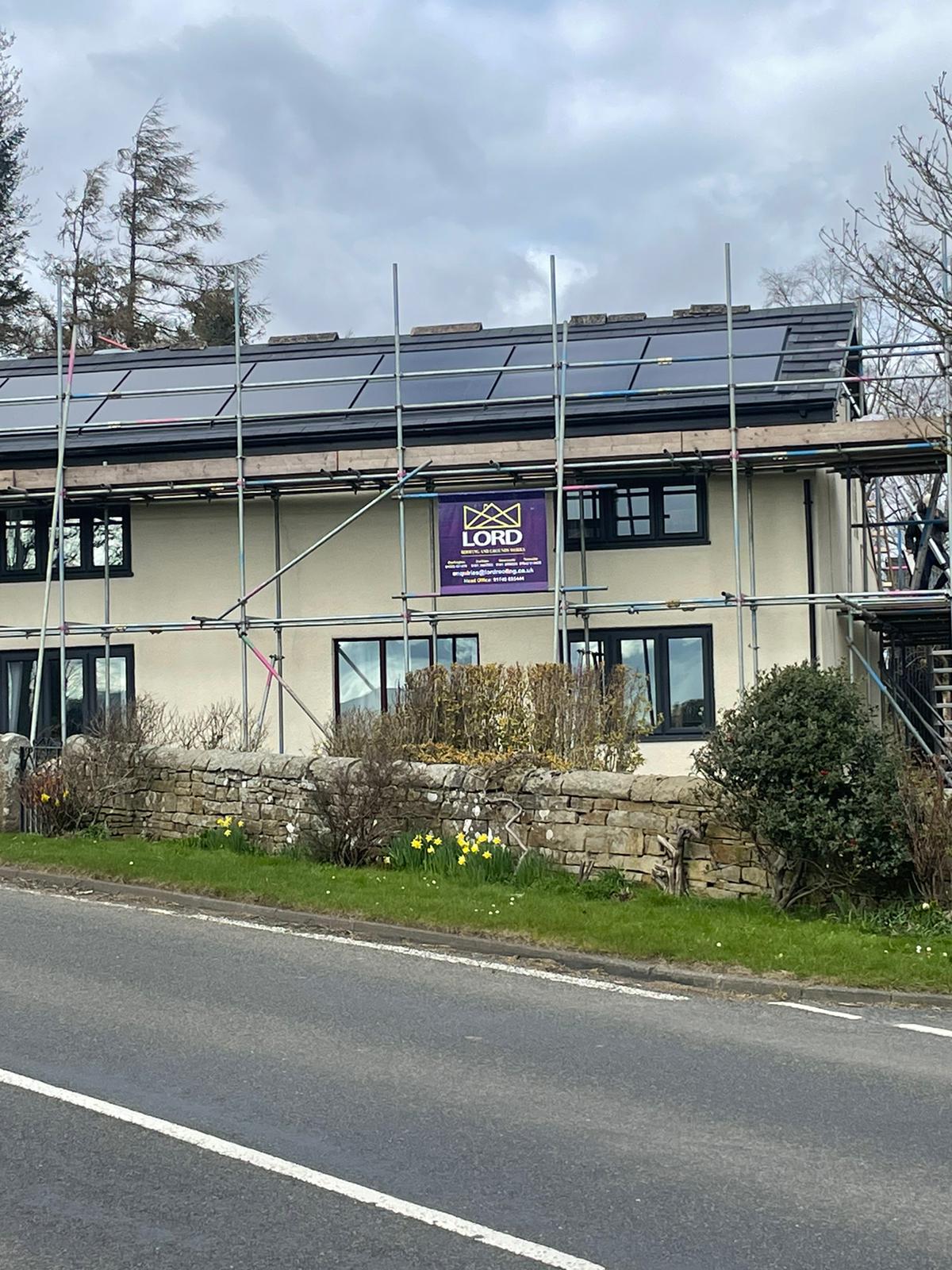
Solar panels are no longer limited to new-build estates and modern properties. Across the UK, more homeowners are exploring solar energy as a way to reduce energy bills, improve efficiency, and future-proof their homes. This includes owners of older properties such as Victorian terraces, Edwardian semis, 1930s houses, and traditional stone or brick homes.
A common question we hear is whether solar panels are actually worth installing on older UK homes. The answer is rarely a simple yes or no. It depends on roof condition, structure, orientation, and how well the installation is planned alongside roofing considerations.
In this article, we explain how solar panels work on older homes, what challenges to expect, and how to decide whether solar is a worthwhile investment for your property.
What Counts as an Older UK Home?
When we talk about older UK homes, we generally mean properties built before the widespread use of modern roofing systems and insulation standards. This includes:
- Victorian and Edwardian houses
- Pre-war terraces and semis
- 1930s and 1940s properties
- Traditional stone cottages
- Homes with original slate or clay tile roofs
These properties often have solid walls, traditional roof timbers, and materials designed to breathe rather than seal completely. While these features can present challenges, they do not automatically rule out solar panels.
Can Older Roofs Support Solar Panels?
One of the biggest concerns for homeowners is whether an older roof can physically support solar panels. Solar panels add weight to a roof, although modern systems are lighter than many people expect.
In most cases, a structurally sound roof can support solar panels without issue. However, the key factor is condition rather than age. An older roof that has been well maintained may be more suitable than a newer roof that has underlying defects.
Before installation, we always recommend a professional roof inspection. This allows us to assess:
- The condition of roof timbers
- Any signs of sagging or movement
- The state of tiles or slates
- Existing repairs or patchwork
- Chimney stacks, valleys, and leadwork
If a roof is already nearing the end of its lifespan, installing solar panels without addressing those issues first can lead to higher costs later.
Do Solar Panels Damage Older Roofs?
Solar panels do not damage roofs when installed correctly. Problems usually arise when panels are fitted to roofs that already have weaknesses or when fixings are poorly installed.
Older roofs require careful handling, particularly slate roofs. Slates can crack if walked on incorrectly, and fixing points must be positioned with precision to avoid water ingress.
Professional installation should include:
- Proper fixing systems designed for the roof type
- Weatherproof flashing around fixings
- Minimal disturbance to existing materials
- Allowance for roof movement and expansion
When done properly, solar panels can actually help protect parts of the roof by shielding tiles or slates from direct exposure to weather.
How Roof Type Affects Solar Performance
Roof type plays a significant role in both installation complexity and performance.
Slate Roofs
Slate roofs are common on older homes and can work very well with solar panels. They are durable and long-lasting, but installation requires specialist experience. Slates must be lifted carefully and replaced properly around fixings.
Clay Tile Roofs
Traditional clay tiles are heavier and often more brittle with age. Panels can be installed successfully, but cracked tiles must be replaced beforehand to avoid future leaks.
Concrete Tile Roofs
Some older properties have concrete tiles from mid-20th-century refurbishments. These are usually suitable for solar, provided the underlay and battens are in good condition.
Orientation and Roof Pitch on Older Homes
Many older homes were built with steep roof pitches and strong timber structures. This can actually be an advantage for solar panels.
The ideal roof orientation for solar panels in the UK is south-facing, but east and west-facing roofs can still produce good results. Older homes often sit on wider plots or streets laid out before modern planning constraints, which can reduce shading from neighbouring buildings.
Roof pitch is also important. Older homes often have pitches between 30 and 45 degrees, which is close to optimal for solar generation in the UK climate.
What About Chimneys and Roof Features?
Older roofs often have features that modern roofs do not, such as large chimney stacks, dormer windows, and valleys. These features do not prevent solar installation, but they require careful planning.
Chimneys can create shading at certain times of day, which may reduce efficiency if panels are placed too close. A good installer will design the system to avoid shaded areas and maximise output.
Existing leadwork, flashings, and valleys should be inspected before installation. Solar fixings must integrate properly with these elements to prevent leaks.
Should Roof Repairs Be Done Before Installing Solar Panels?
In many cases, yes. Installing solar panels on a roof that needs repairs is a false economy.
Common issues we address before solar installation include:
- Loose or damaged tiles or slates
- Failing ridge mortar or verge details
- Worn lead flashing around chimneys
- Blocked or damaged gutters
- Timber decay or damp in the roof space
Carrying out necessary repairs beforehand ensures the roof is fit for purpose and avoids the cost of removing panels later to fix preventable problems.
How Long Do Solar Panels Last Compared to Older Roofs?
Solar panels typically have a lifespan of 25 to 30 years. Many older roofs, particularly slate roofs, can last far longer than this if maintained properly.
However, roofs that are already 40 to 50 years old may not outlast the panels without some level of intervention. In these cases, homeowners often choose to refurbish or partially re-roof before installing solar panels.
This approach allows both the roof and the solar system to age together, reducing long-term disruption and cost.
Energy Savings and Financial Considerations
Solar panels can significantly reduce electricity bills, even on older homes. While older properties may be less energy efficient overall, generating your own electricity still offers clear benefits.
Savings depend on:
- System size
- Household energy usage
- Orientation and shading
- Energy prices
Many homeowners choose solar not just for immediate savings, but for long-term protection against rising energy costs. For older homes with higher energy demands, this can be particularly valuable.
Planning Permission and Listed Buildings
Older homes are more likely to be located in conservation areas or be listed buildings. Planning rules can affect whether solar panels are allowed and where they can be placed.
In some cases, panels must be installed on less visible roof slopes or integrated more discreetly. This makes professional advice essential before committing to an installation.
We always recommend checking planning requirements early to avoid delays or enforcement issues.
Are Solar Panels Worth It Overall?
For many older UK homes, solar panels are absolutely worth considering. Age alone is not a barrier. The key factors are roof condition, structure, and installation quality.
When solar panels are installed alongside proper roofing inspections and repairs, they can deliver long-term savings, improved energy independence, and added property value.
The most successful installations treat the roof as the foundation of the system, not an afterthought.
Getting the Right Advice
Before installing solar panels on an older home, it is essential to involve roofing professionals who understand traditional construction as well as modern systems.
A thorough roof assessment helps identify potential issues early and ensures your investment is protected for decades to come.
If you are considering solar panels and want to understand whether your roof is suitable, we recommend arranging a professional inspection and honest advice before moving forward.


