





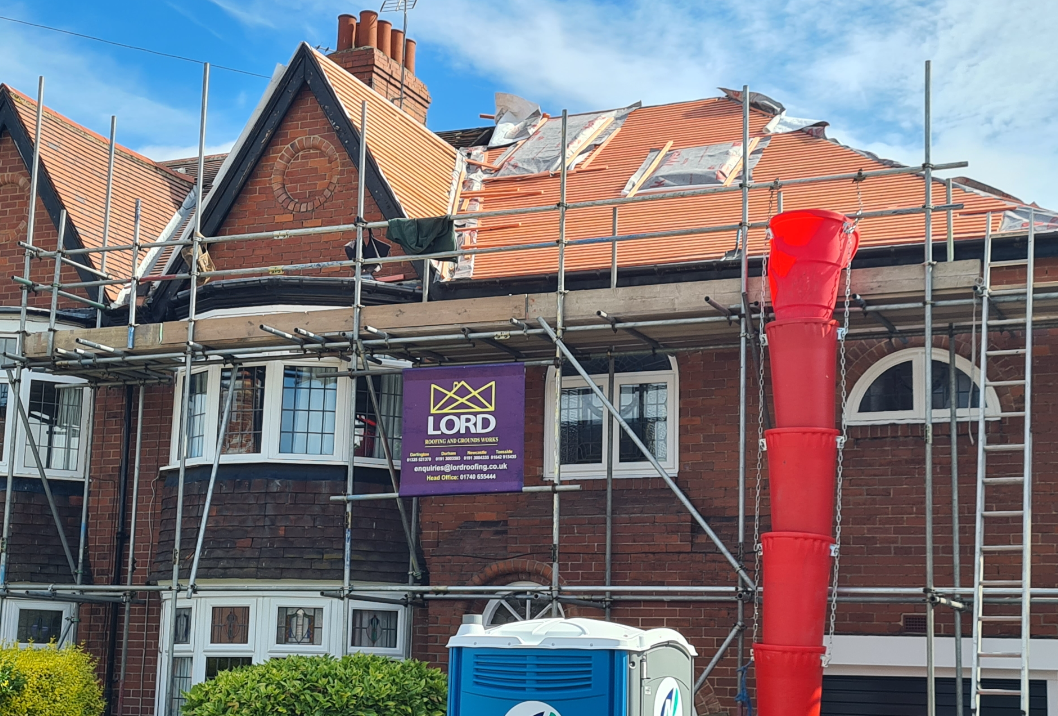
A new roof in summer gives you better control over cost, timing, and long-term performance. In the UK, roofing work depends heavily on weather, and poor timing often leads to delays, inconsistent workmanship, and higher costs. If your existing roof shows signs of wear, such as missing tiles, poor ventilation, or early water damage, waiting can quickly turn a manageable issue into a much larger problem.
Summer creates stable working conditions, allowing roofing contractors to install your roof correctly from the start. This improves energy efficiency, protects your home, and reduces the risk of structural issues before winter arrives.
How Weather, Timing and Installation Quality Affect Your Roof
Summer provides the most reliable conditions for roof replacement. Dry weather allows every stage of the process to run without interruption, from removing the existing roof to installing new materials. This consistency ensures higher quality workmanship and reduces the risk of defects.
Roof materials such as concrete tiles, clay tiles, and slate tiles rely on dry conditions to bond and settle properly. When installed in summer, they create a strong and durable barrier against water and long-term wear.
In poor weather, adhesives may not set correctly, moisture can become trapped, and small installation issues can develop into larger structural problems. Many roofs installed in winter show early signs of failure, which is why they often require roof repairs sooner than expected.
How Much Does a New Roof Cost and What Affects the Price
The cost of a new roof in the UK depends on several factors, including roof size, design, materials, and the condition of the existing structure. While many focus on material costs, the total price includes labour, waste removal, and compliance with building regulations.
Roof size plays a major role. Larger roofs require more materials and labour, increasing the overall cost. The complexity of the roof also matters. A standard pitched roof is more cost effective than a complex structure with multiple slopes or difficult access.
A full roof replacement typically includes removing the old roof, disposing of roofing waste, installing new materials, and improving insulation or ventilation where needed. Additional costs often appear when structural issues are discovered during removal.
In the UK, the average cost of a new roof ranges from £5,000 to £15,000 or more. The final price depends on the materials used and the level of work required, which is why a detailed quote is essential before starting the project.
Choosing the Right Materials and Understanding Roof Lifespan
The material you choose affects how long your roof lasts, how it performs in UK weather, and how much maintenance it requires over time. Choosing based only on price often leads to higher long-term costs.
Concrete tiles are a popular choice because they offer durability and cost efficiency. Clay tiles provide a more traditional appearance and strong resistance to weather conditions. Slate roofs, particularly natural slate, offer the longest lifespan and premium performance, although they come with a higher upfront cost.
The right material depends on your roof type, budget, and long-term goals. Pitched roofs suit tiles or slate, while flat roofs require specialist systems. Making the right choice ensures better protection and reduces the likelihood of future repairs.
How Long Roof Replacement Takes and What Happens During the Process
Roof replacement timelines depend on the size and complexity of the roof, as well as the condition of the existing structure. In summer, most standard projects take between three and seven days, although larger or more complex roofs may take longer.
The process starts with removing the existing roof. This step is essential because it allows contractors to inspect the structure underneath and identify hidden issues such as water damage, poor insulation, or ventilation problems. These issues often remain unnoticed until the roof is removed.
Once the structure is prepared, new materials are installed, followed by finishing work to ensure proper sealing and weather protection. Waste removal and site clean-up are also part of the process, often requiring skip hire.
Delays usually occur due to poor weather, unexpected structural problems, or changes during installation. Summer reduces these risks, helping the project stay on schedule and ensuring a higher standard of work.
Does a New Roof Improve Energy Efficiency and Property Value
A new roof improves both the performance and value of your property. Modern roofing systems include improved insulation, which reduces heat loss and helps maintain a consistent indoor temperature. This lowers energy costs and improves overall efficiency.
Proper ventilation also plays a key role. It prevents condensation and moisture build-up, protecting the structure and reducing the risk of long-term damage.
From a property perspective, a new roof increases buyer confidence. It removes the need for immediate repairs and shows that the property is well maintained. This can make your home more attractive to buyers and help achieve a higher sale price.
Roof Repairs vs Roof Replacement and How Summer Saves You Money
In some cases, roof repairs are enough to fix minor issues such as missing tiles or small leaks. Acting early can extend the life of your existing roof and maintain protection.
However, if problems continue to return or the roof shows widespread wear, repeated repairs often cost more over time. A full roof replacement provides long-term protection, improved efficiency, and better value.
Replacing your roof in summer helps you avoid emergency repairs later in the year. Delaying work often leads to water damage, insulation failure, and structural issues that increase costs significantly.
Summer conditions allow roofing contractors to work efficiently, reducing labour time and avoiding delays. This gives you better control over your budget and ensures the job is completed to a high standard.
Make the Right Decision Before Winter Arrives
A new roof in summer gives you the best possible conditions for installation, reduces overall costs, and protects your home before harsh weather sets in. You avoid hidden problems, improve energy efficiency, and ensure long-term performance.
If your roof shows signs of wear, acting now prevents more serious issues later.
Get expert advice from Lord Roofing today. Book your inspection and secure your new roof before winter arrives.


